
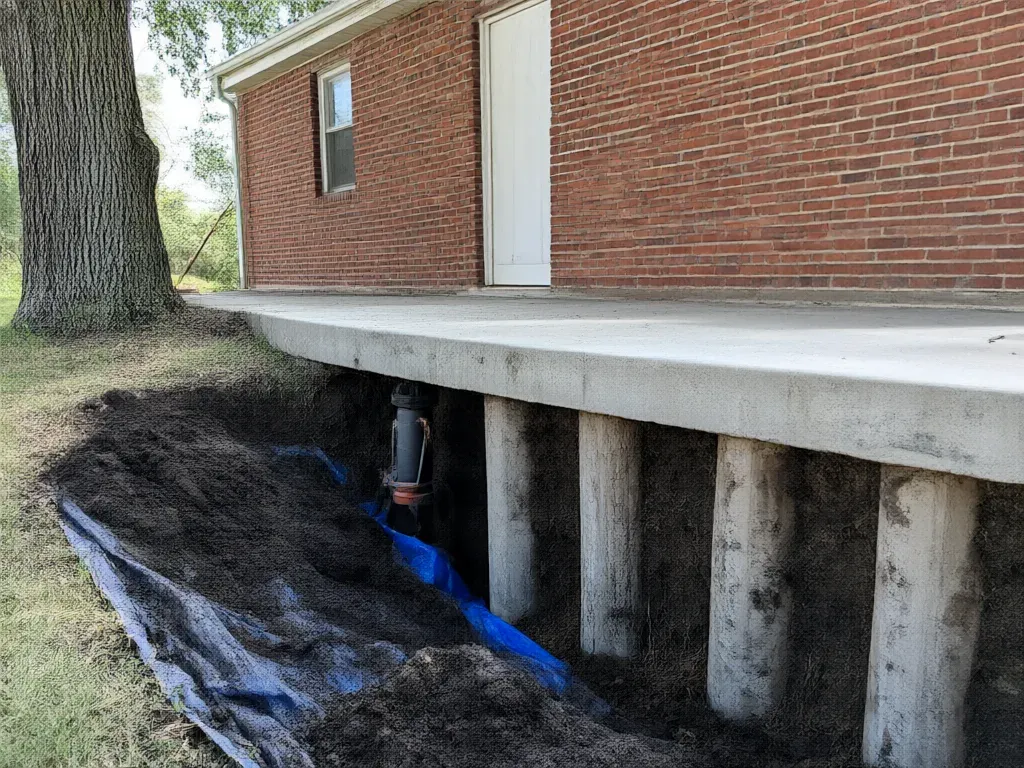
Slab Foundation Repair in Garland, TX
Garland Superior Foundation Repair offers professional slab foundation repair in Garland, TX with 22 years of experience and 4,100+ foundations repaired. We lift and stabilize slab-on-grade foundations with pressed concrete pilings, steel push piers and drilled bell-bottom piers, and we deal with the cracked grade beams, sloping floors and separated brick that come with a dropped slab. Most single-story slab jobs need 10 to 16 pilings and take 1 to 3 days.
Exterior pilings go in along the grade beam from outside, so most slab repairs never touch your floors. When the movement is under the middle of the house, we place interior pilings through a cut in the slab or from a tunnel, and we scan for post-tension tendons before any cut. Every slab lift ends with a plumbing static test, and every pier carries a lifetime transferable warranty.
Get a FREE Estimate
Or call (972) 885-6239
Slab Foundation Repair Methods
The engineer picks the method from the house, the load and the readings. Here's what each one is for and what it costs.
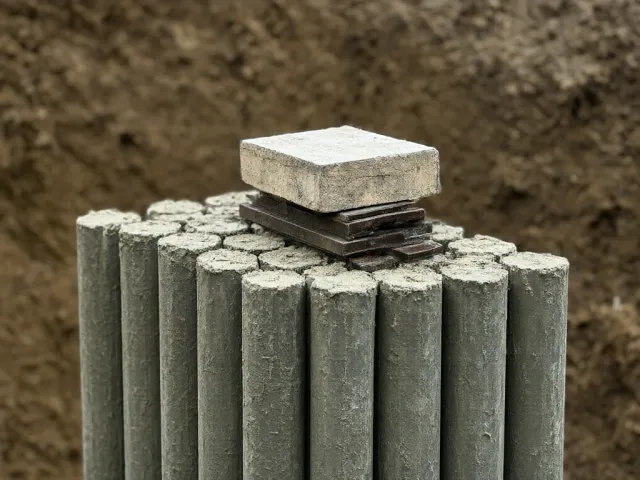
Slab Repair With Pressed Concrete Pilings
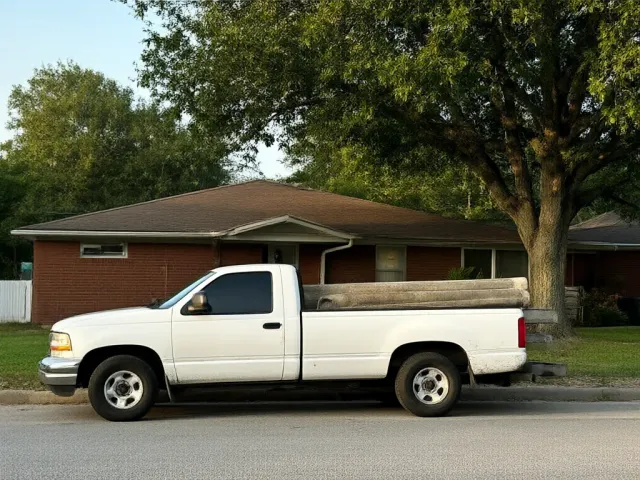
Our standard fix for a single-story slab. Precast cylinders 6 inches by 12 inches are threaded on a steel cable and pressed one at a time under the grade beam until they hit refusal, usually 12 to 18 feet down. We space them 6 to 8 feet apart, closer at corners, at $350 to $525 per exterior piling.
Slab Repair With Steel Push Piers
For two-story slabs, stone fronts and heavy point loads. Each pier is 3-inch galvanized steel pipe pushed down until it carries a measured load, so the engineer has a real number for every support. Steel push piers run $1,300 to $1,950 each.
Slab Repair With Drilled Bell-Bottom Piers
When the engineer is worried about uplift as well as settlement, we drill a 12-inch shaft 10 to 13 feet deep and bell out a 24-inch base. Four #4 rebar and 3,500 PSI concrete go in each shaft, and the beam waits for the concrete to cure before we lift. Bell-bottoms run $950 to $1,450 per pier.
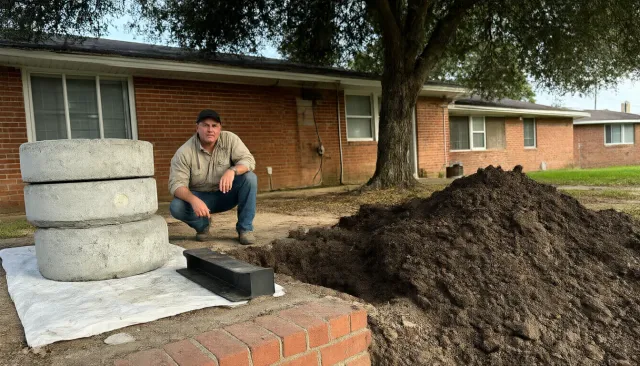
Interior Slab Pilings
Some slabs drop in the middle, not at the edge. We reach those spots through a cut in the slab or from a tunnel dug in from outside, press the pilings the same way, then patch with non-shrink grout and new concrete. Interior pilings run $575 to $850 each, with flooring removal and reset quoted separately.
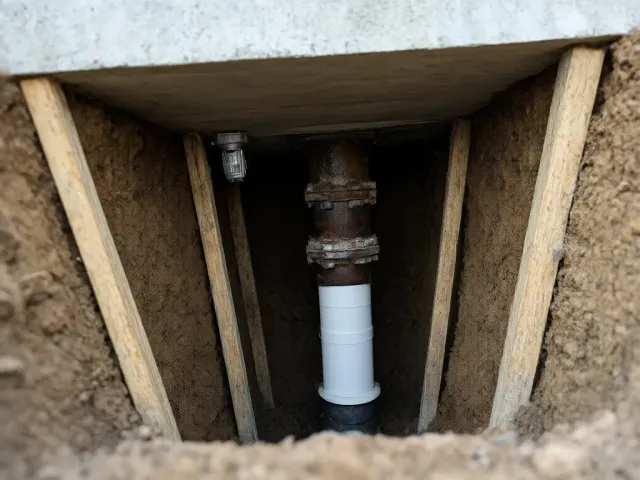
Slab Heave Correction
Not every slab problem is a drop. A leaking drain or a soaked flower bed can swell the clay and push part of a slab up. Pilings under a heaved area make it worse, so we find the water first, fix it, re-read the floors once the soil dries and only then decide whether the low side needs lifting to meet it.
Before and After
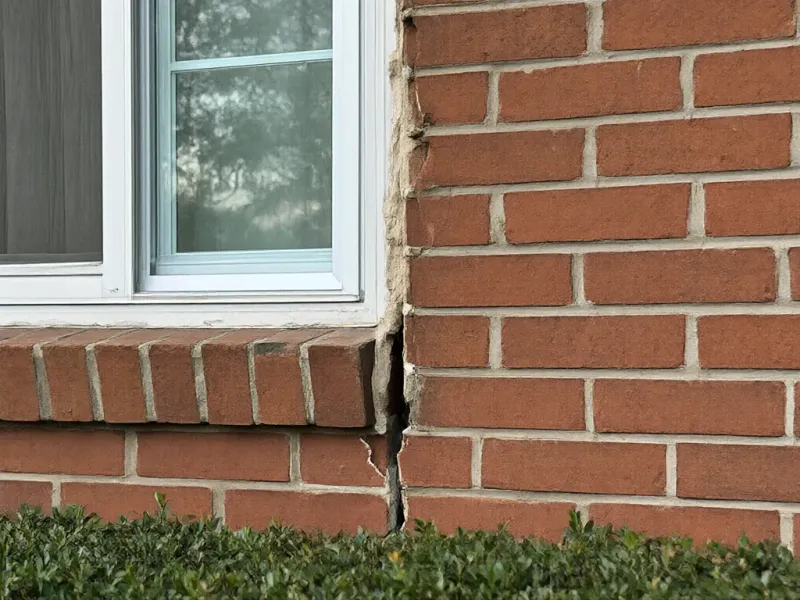
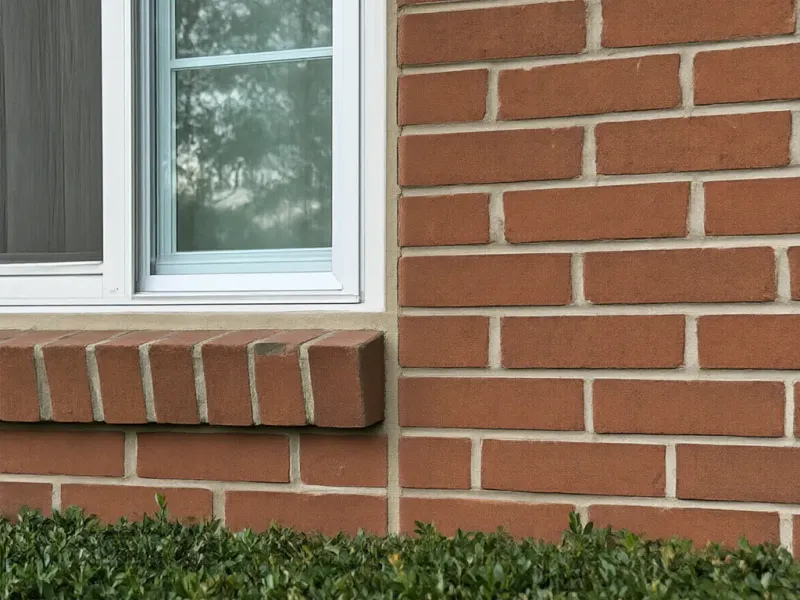
Signs Your Slab Foundation Needs Repair
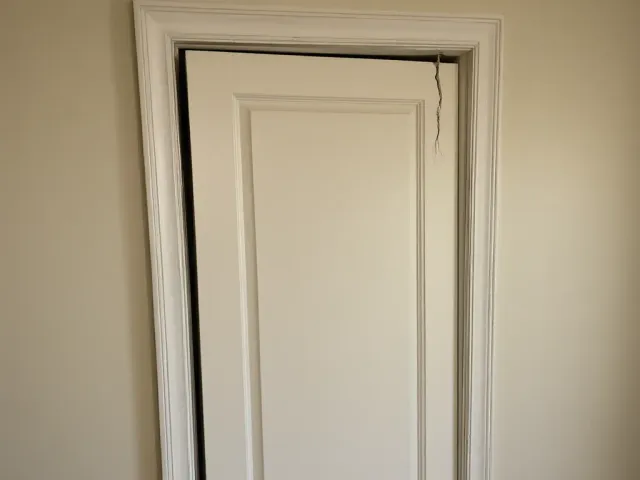
The first clue is usually a door. A bedroom or back door that won't latch, or one with a wedge-shaped gap at the top of the frame, means the floor under one side of the opening has moved. Look at the brick outside the same wall. Stair-step cracks in the mortar, a gap between the brick and a window frame, or a crack running down from a window corner all point to the same corner of the slab.
Inside, watch for tile that cracks in a straight line across a room, baseboards pulling away from the floor, and drywall cracks that run diagonally off door and window corners. Outside, check the exposed grade beam. A crack wider than 1/8 inch, or one where one side sits higher than the other, needs measuring.
Timing matters. Cracks that open every August and close by Thanksgiving are often seasonal. Cracks that keep growing through a wet spring, or a door that gets worse every year, usually mean settlement that needs pilings.
Why Garland Slabs Move
Most Garland houses built between the 1950s and the 1980s sit on conventionally reinforced slabs: rebar or wire mesh in the concrete, with a deeper grade beam around the edge. That slab sits on Blackland Prairie clay that swells when it's wet and shrinks when it dries. The middle of the house stays damp, the edges dry out in summer, and the corners drop.
Two things speed it up. A mature tree within reach of the slab pulls water out of the clay along one side, and a leaking cast iron drain soaks the clay under another. One causes a drop and the other causes heave, and we've seen both on the same house. That's why we read the whole floor and test the plumbing before quoting a single piling.
Post-Tensioned Slabs Need a Different Approach
Newer homes are often post-tensioned, with steel tendons stretched tight inside the concrete. Cutting one can release a lot of force and weaken the slab. We scan and mark tendons before any interior cut, and when a tendon sits where a piling needs to go, we tunnel to the spot instead of cutting through.
What Slab Foundation Repair Costs and What's Included
A typical single-story slab job in Garland runs $4,800 to $9,200, usually 10 to 16 exterior pilings. Interior pilings, steel piers and bell-bottoms move the number up, and the elevation map and the engineer decide how many of each you need.
Every pier price includes the independent engineer's review and letter, permit handling, the plumbing static test, the lifetime transferable warranty and a free elevation re-check at 12 months. What's not included: flooring removal and reset for interior pilings, any plumbing repair the static test turns up, and drywall or brick touch-up after the lift. We list those separately so you can compare bids line by line.
Our Slab Foundation Repair Process
Read the floors
Manometer readings every 8 to 10 feet in every room, plus the grade beam, brick, drainage and trees, all drawn on a floor map.
Engineer sets the scope
An independent Texas-licensed engineer reviews the map and specifies pier type, count and placement. You get that in writing with the price.
Permit and locates
We pull the Garland building permit, usually 2 to 5 business days, and call 811 at least two business days before digging.
Dig, press and lift
Access holes along the beam, pilings pressed to refusal and depth logged for each one, then a staged lift with the manometer running.
Test and close up
A licensed plumber static tests the drains before we backfill. You get final readings, the engineer's letter and the warranty paperwork.
Slab Foundation Repair Questions
Do I need to move out during slab foundation repair?
No. Exterior pilings go in from outside, and you can live in the house the whole time. Interior pilings mean a work zone in one or two rooms for a day or two, and water is off only during the static test.
Will the cracks close after the lift?
Many get narrower, and doors usually latch again. Some drywall cracks open slightly as the house moves back, so wait a few weeks after the lift before patching and painting.
How do I know the pilings went deep enough?
We log the refusal depth for every piling and give you the list. On Garland-area lots most stop between 12 and 18 feet. If a piling stops unusually shallow, we tell the engineer before we lift on it.
What happens to my flower beds and shrubs?
Access holes are about the width of a shovel blade plus room to work, dug right along the beam. We move shrubs in the way, set them aside, and replant them when we backfill. Large root balls get discussed before we start.
Can you repair a slab another company already pinned?
Yes. We read the floors, open a couple of the old piers, and check the shims and spacing. Sometimes the old pilings just need re-shimming with steel. Sometimes they were spaced too far apart and need more between them.
Get Your Slab Measured for Free
Call (972) 885-6239 to book a free slab inspection. We'll map every room, show you which corner moved, and hand you a written number before we leave.