
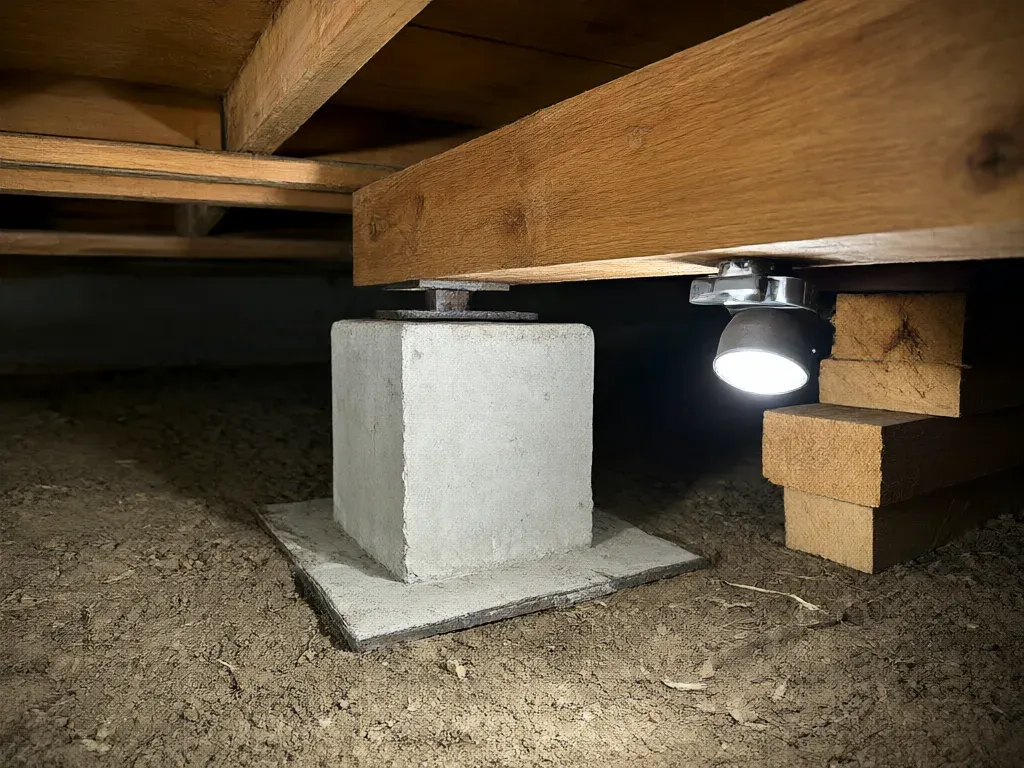
Pier and Beam Foundation Repair in Garland, TX
Garland Superior Foundation Repair offers professional pier and beam foundation repair in Garland, TX, backed by 22 years of crawl space work. We re-shim and level sagging floors, replace rotted wood blocks with concrete pads, add support piers under girders, sister cracked joists and replace sill plates. Shim work carries 2 years of free re-shim adjustments, and new piers carry a lifetime transferable warranty.
Pier and beam houses tell you about a problem through the floor: a bounce in the hallway, a soft spot by the kitchen sink, a slope you can feel in your socks. The cause is usually in the wood or the moisture under the house, not deep in the soil. We crawl the whole space before we price anything, and most re-shim and level jobs run $1,400 to $4,200.
Get a FREE Estimate
Or call (972) 885-6239
Pier and Beam Foundation Repair Options
Most crawl spaces need two or three of these. The floor map and what we find with the light decide which.
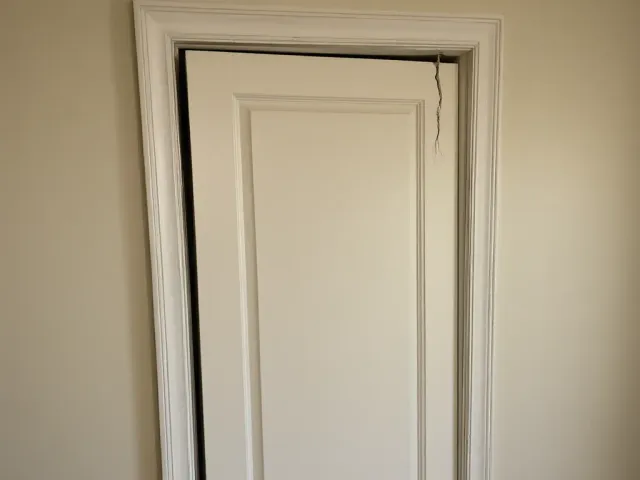
Pier and Beam Re-Shimming and Leveling
We jack each girder off its pier, pull the crushed or rotted shims and set steel shims to the height the manometer calls for. It's the most common pier and beam repair we do, and it usually takes a single day.
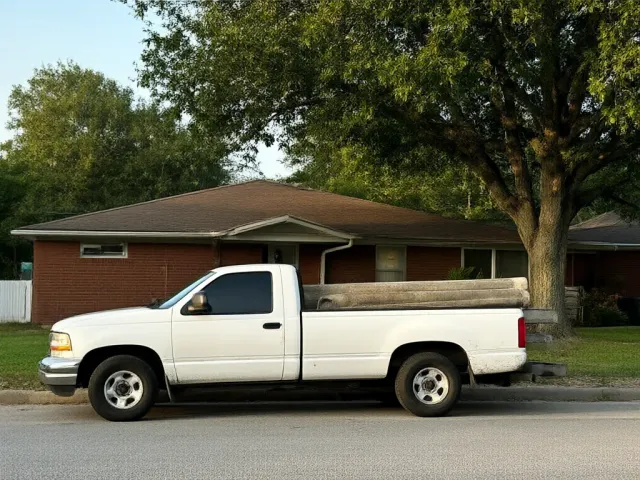
Pier and Beam Support Piers
Where girders span too far or the original wood blocks have rotted on the dirt, we set new concrete pads and blocks or poured piers under the beam. New support piers run $325 to $550 each and carry the lifetime transferable warranty.
Pier and Beam Sill Plate Replacement
The sill is the wood that sits on the perimeter beam, and it's the first thing to rot under a leaking downspout or a flower bed piled against the siding. We support the wall, cut out the bad section and fit new treated lumber, at $45 to $85 per linear foot.
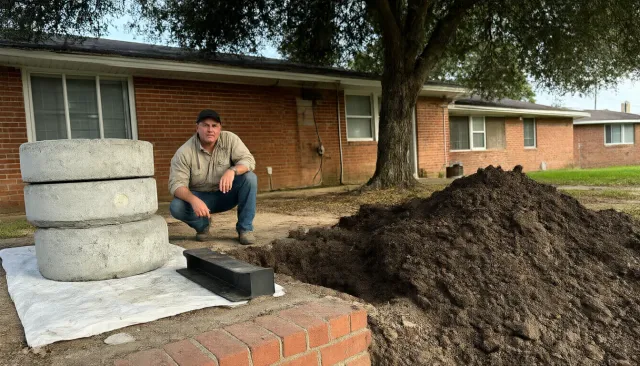
Pier and Beam Joist Sistering and Girder Repair
Joists notched for old plumbing, cracked over a span or soft from a past leak get a new full-length joist bolted alongside. Split girders get the same treatment, or a new support pier under the weak point.
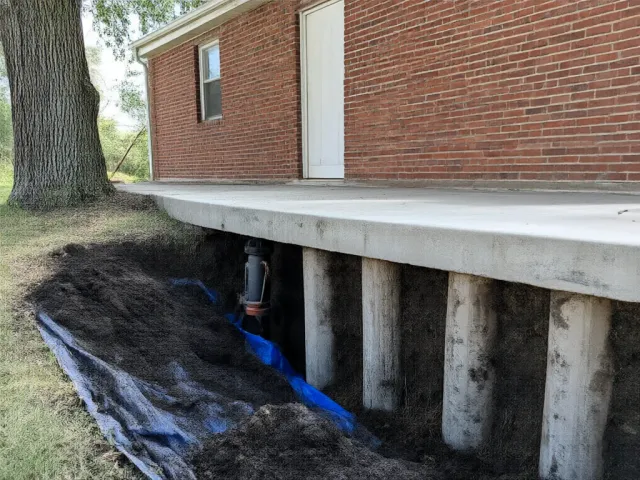
Pier and Beam Perimeter Beam Repair
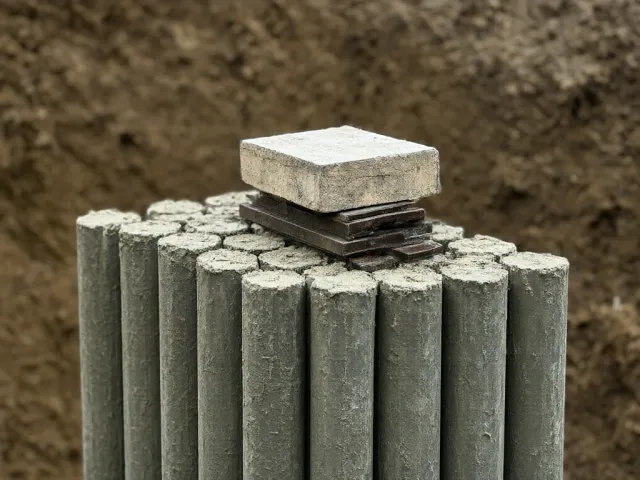
Many pier and beam houses sit on a concrete perimeter beam with interior piers inside it. When that outer beam drops on the clay, it behaves like a slab edge, and we press concrete pilings under it at $350 to $525 each.
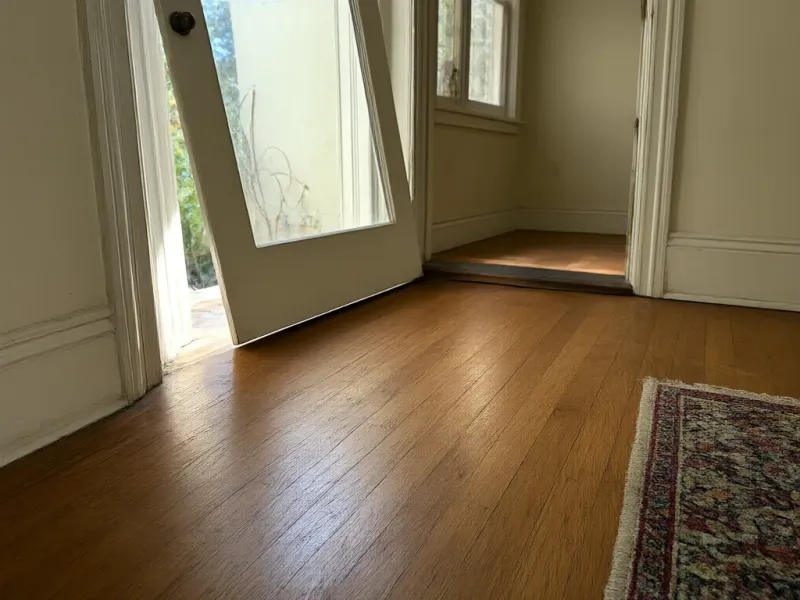
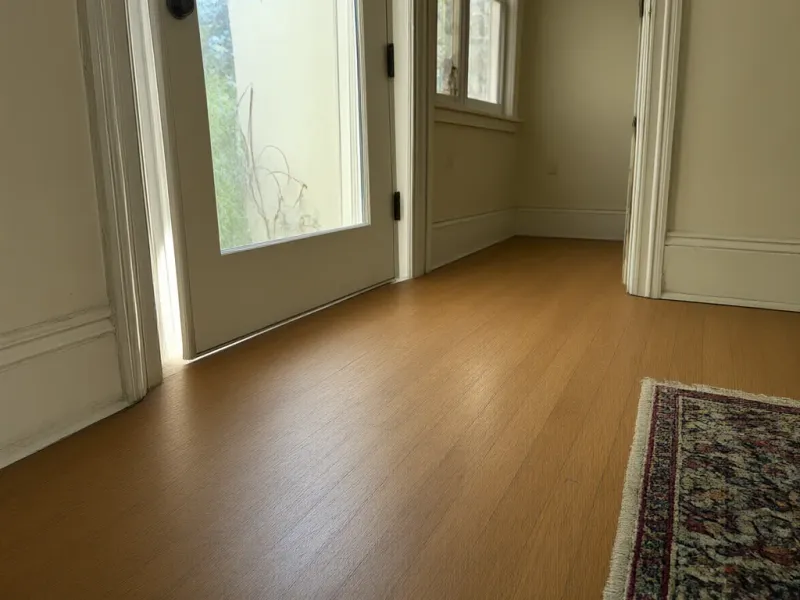
Before and After
Signs of Pier and Beam Foundation Problems
Pier and beam floors move before walls crack. You'll feel it first: a bounce when someone walks down the hall, dishes rattling in the cabinet, a soft spot in front of the sink or the tub. A marble rolls toward one wall. Interior doors swing open or shut on their own.
Then the walls follow. Plaster or drywall cracks over doors, gaps open where the baseboard meets the floor, and windows stick. Outside, look for siding that's wavy along the bottom, a perimeter beam with cracks wider than 1/8 inch, and crawl space vents that are blocked or sitting below the soil line.
What We Find Under Older Garland Houses
Garland's oldest houses, mostly near downtown, are pier and beam, and some of them still sit on their original wood blocks set straight on the dirt. After the better part of a century those blocks rot, sink and crush, and the girder above them sags. Stacked concrete block without a cap, cedar shingles used as shims and car jacks left under a beam are all things we pull out regularly.
Water is behind most of it. A downspout dumping at the foundation wall will soak the crawl space for years, rot the sill and leave the clay under the piers soft. Plumbing leaks from old galvanized supply lines and cast iron drains do the same thing from the inside. We look for wet soil, staining and mold on the framing while we're down there, and fixing the water source is part of the scope.
Previous repairs show up too. Joists notched deep for a drain line, girders spliced over a pier with no support, and shim stacks taller than the block they sit on. We photograph what we find so you can see it without crawling in yourself.
Pier and Beam Is Maintenance, Not a One-Time Fix
Wood shrinks and swells, and the clay under every pier moves with the seasons. That means a pier and beam floor that's level today can need a small adjustment in a few years. It's normal, and it's cheap compared to a slab repair, as long as the supports underneath are sound.
That's why our shim work carries 2 years of free re-shim adjustments. After that, keep the vents clear, keep downspouts running at least 5 feet away from the house, and have the floors read again if doors start sticking. A quick adjustment beats waiting until the girders sag.
Our Pier and Beam Repair Process
Crawl and measure
We read floor levels in every room, then crawl the space with a work light and a moisture meter, checking every pier, girder, joist and sill.
Photos and written scope
You see photos of what's under the house and get a written list: which piers get replaced, which girders get shimmed, how many feet of sill or joist.
Fix the structure first
Rotted sills, cracked joists and failed supports get replaced before any leveling, so the lift lands on sound wood and new concrete.
Level with steel shims
We jack in small steps, set steel shims and re-read the floors as we go, stopping when the readings stop improving.
Final readings and water fixes
You get a final floor map, the warranty paperwork and a list of any downspouts or vents that need attention to keep the crawl space dry.
Pier and Beam Repair Questions
How often does a pier and beam house need re-shimming?
It depends on the wood and the water. A house with sound supports and good drainage can go years between adjustments. That's why our shim work includes 2 years of free re-shim adjustments, so you can see how your house behaves.
Should I convert my pier and beam house to a slab?
We don't recommend it. A conversion is a major job, and most pier and beam houses can be repaired and leveled for $1,400 to $4,200. Pier and beam also gives plumbers easy access, which is worth keeping.
My house has no crawl space access. Can you still work on it?
Yes. We can cut a new access through the perimeter skirting or, if needed, through a closet floor, and frame it with a removable cover. We'll show you where before we cut.
What if you find termite damage under the house?
We'll photograph it and replace the damaged framing as part of the repair. Treatment for active termites belongs to a licensed pest control company, and we'll tell you to get that done before we close up.
Will leveling crack my plaster walls?
Lifting in small steps keeps that to a minimum, but old plaster can crack when a floor moves back. We lift slowly, watch the walls and stop short of forcing the last bit of level.
Have Your Crawl Space Checked
Call (972) 885-6239 for a free pier and beam inspection. We'll crawl the space, read every floor and show you photos of what's holding your house up.